Skip to content

Artificial intelligence has moved from a flashy experiment to the forefront of digital marketing. If you are still manually segmenting lists or guessing which ad headline will perform best, you are working harder than you need to. AI is no longer just about generating copy; it is now systems that analyze data, predict results, and optimize marketing campaigns in real time.
At Digital Strike, we believe that AI isn’t made to replace the marketer. AI should be used to give marketers the analytical power and automation needed to win in a crowded digital space.
 AI-assisted content strategy tools are built to save marketers tons of time. These generative AI models use machine learning and natural-language generation to produce text, images, and video content. When it comes to text-based content, these tools help users maintain keyword density and brand voice across different types of content. These tools help reduce research time by providing clear outline structures and sources writers can reference.
It is important to note that while marketers can use content creation tools to write full web pages and blog posts, these pages still need to be rewritten and tweaked by human writers to rank in traditional search, AI overviews, and LLMs. The algorithms behind these search engines are looking for high-quality, new, and unique content to serve to users and will not serve 100% AI-generated content because it offers no new perspective; it only regurgitates existing information in a new way.
AI-assisted content strategy tools are built to save marketers tons of time. These generative AI models use machine learning and natural-language generation to produce text, images, and video content. When it comes to text-based content, these tools help users maintain keyword density and brand voice across different types of content. These tools help reduce research time by providing clear outline structures and sources writers can reference.
It is important to note that while marketers can use content creation tools to write full web pages and blog posts, these pages still need to be rewritten and tweaked by human writers to rank in traditional search, AI overviews, and LLMs. The algorithms behind these search engines are looking for high-quality, new, and unique content to serve to users and will not serve 100% AI-generated content because it offers no new perspective; it only regurgitates existing information in a new way.
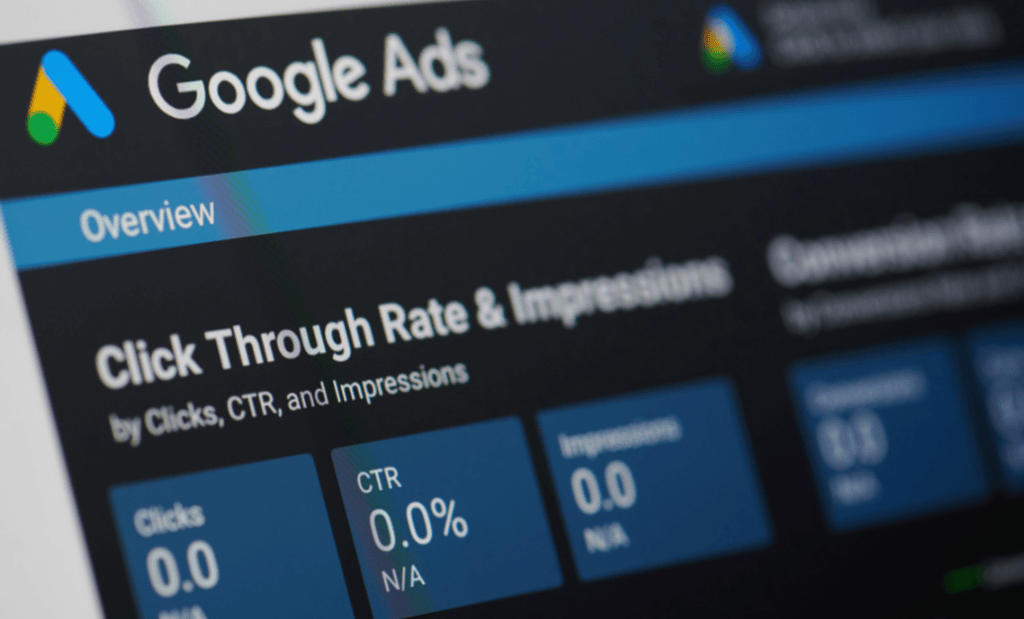 AI can help marketers with PPC campaign management by using predictive analytics to predict ad performance and automate segmentation. These tools analyze a vast amount of historical data to optimize ads and campaigns across multiple platforms. This leads to informed budget allocation and content distribution, ensuring your ads are shown to the right audience at the right time.
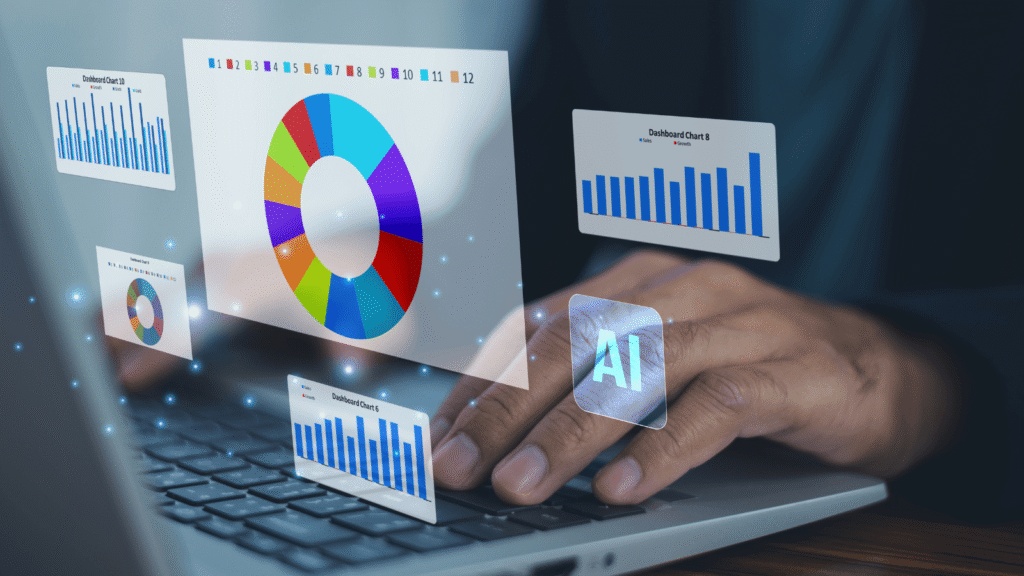 AI can help you gain greater insights into your customers and how they interact with your brand through advanced data analysis. These tools use sentiment analysis and behavior-based content personalization to give you hypothetical customer journeys, so you have a better idea of how customers will go through the purchasing process.
These actionable insights will help marketers customize the purchase process for each and every user based on their needs and past customer interactions with the brand. Since these tools integrate seamlessly with CRMs like HubSpot, brands can now adjust the messaging a user sees in real time based on sentiment and engagement analysis. This behavior-based content personalization ensures that your brand remains relevant throughout the entire customer lifecycle. Predictive analytics tools help you identify which leads are most likely to convert, allowing you to focus your efforts on the highest-impact opportunities.
AI can help you gain greater insights into your customers and how they interact with your brand through advanced data analysis. These tools use sentiment analysis and behavior-based content personalization to give you hypothetical customer journeys, so you have a better idea of how customers will go through the purchasing process.
These actionable insights will help marketers customize the purchase process for each and every user based on their needs and past customer interactions with the brand. Since these tools integrate seamlessly with CRMs like HubSpot, brands can now adjust the messaging a user sees in real time based on sentiment and engagement analysis. This behavior-based content personalization ensures that your brand remains relevant throughout the entire customer lifecycle. Predictive analytics tools help you identify which leads are most likely to convert, allowing you to focus your efforts on the highest-impact opportunities.
Key Takeaways
- Embrace the Shift from Tools to Agents: AI has evolved beyond simple chatbots into autonomous agents that can analyze customer data and adjust campaign strategies in real time with minimal manual input.
- Prioritize Predictive over Reactive: The most successful marketers are using sentiment analysis and behavioral metrics to simulate hypothetical customer journeys, meeting needs before customers even articulate them.
- Human Oversight is Non-Negotiable: While AI can handle the heavy lifting, human intuition is required to prevent hallucinations and ensure content provides a unique perspective that can rank in search and AI overviews.
- Efficiency Drives Growth: By automating repetitive tasks through AI-powered digital asset management (DAM) and campaign tools, your marketing team can redirect its energy toward high-level strategy and creative innovation.
- Integration is the Foundation: To avoid data silos, prioritize tools with open APIs and native integrations that enable seamless information flow across your entire marketing tech stack.
- Strategy Before Software: Avoid falling for a flashy sales pitch by selecting AI tools aligned with your strategy. Invest only in technology that solves a specific bottleneck in your current workflow.
What is the role of AI in digital marketing?
In digital marketing, AI tools leverage machine learning, algorithms, and data analysis to automate business processes and enhance customer experiences. These tools help businesses scale campaigns and save the money necessary to manage complex, multi-channel marketing strategies while maintaining high levels of personalization for users.An Overview of AI in Digital Marketing
AI’s greatest strength is its ability to process massive amounts of data in seconds, much faster than a human can. By leveraging AI in their marketing strategies, brands can become more proactive before campaigns launch rather than reactive once they’ve launched. When teams properly leverage AI, they can spend less time on repetitive, time-consuming tasks and more time on high-level, strategic thinking behind campaigns.What are the different types of AI marketing tools?
The main AI marketing tools fall into the following categories:content generation, advertising optimization, and predictive analytics platforms. These tools range from blog-writing assistants and chatbots to sophisticated AI-powered digital asset management (DAM) platforms that manage all your marketing assets in a single unified system.Primary AI Tool Categories
- Content Generation: Tools designed for the different aspects of content marketing, including copywriting, SEO-focused blog writing, and image creation.
- Advertising Optimization: AI advertising tools that handle digital advertising, PPC bids, and campaign segmentation.
- Predictive Analytics Platforms: Tools that provide predictive analytics on customer journeys and cross-channel analysis.
AI Content Creation Tools
AI-assisted content strategy tools are built to save marketers tons of time. These generative AI models use machine learning and natural-language generation to produce text, images, and video content. When it comes to text-based content, these tools help users maintain keyword density and brand voice across different types of content. These tools help reduce research time by providing clear outline structures and sources writers can reference.
It is important to note that while marketers can use content creation tools to write full web pages and blog posts, these pages still need to be rewritten and tweaked by human writers to rank in traditional search, AI overviews, and LLMs. The algorithms behind these search engines are looking for high-quality, new, and unique content to serve to users and will not serve 100% AI-generated content because it offers no new perspective; it only regurgitates existing information in a new way.
Best AI tools for Content Creation
- ChatGPT: OpenAI’s flagship tool is a great overall tool for generating blog outlines and drafts, tweets, replies, and general ad copy.
- Claude: great for long-form content and avoids the repetitive tone of other AI writing.
- Nano Banana (in Gemini): AI photo generation tool that creates images with exceptional realism and editing capabilities
- KlingAI: a powerful tool for generating hyper-realistic videos and photos with extensive user options like voiceovers and different animation styles.
AI Campaign Management Tools
AI can help marketers with PPC campaign management by using predictive analytics to predict ad performance and automate segmentation. These tools analyze a vast amount of historical data to optimize ads and campaigns across multiple platforms. This leads to informed budget allocation and content distribution, ensuring your ads are shown to the right audience at the right time.
Ad and Campaign Management Benefits
- Predictive Performance: AI algorithms can predict results before you spend a single dollar of your budget.
- Dynamic Segmentation: Move beyond basic demographics and use customer behavior-based audience segmentation to reach high-value leads.
- Metadata Management: Use AI-driven marketing technology to ensure your ad metadata is always optimized for user experience.
- Digital Asset Management (DAM): An AI-driven DAM ensures the right creative assets are always available for the right campaign.
Best AI Tools For Ad Campaign Management
- Madgicx: This tool manages campaigns on both Meta and Google Ads with real-time optimizations.
- Albert.ai: Another tool that manages and optimizes campaigns across Google Ads, Microsoft’s Bing, and Meta with little need for oversight. Albert.ai can also reallocate budgets across channels to optimize your conversion rates and ROAS.
- Birch (formally Revealbot): This tool provides campaign management across all major advertising apps, including Meta, Google Ads, TikTok, LinkedIn, and Snapchat. The tool is rules-based (if/then), giving the human user more control over campaign decisions.
AI Predictive Analytics Tools
Best Predictive Customer Experience Tools
- Insider One: This tool helps brands create personalized, real-time user journeys using predictive insights to show marketers the next best action. This tool helps you move beyond basic email marketing blasts toward experiences where AI suggests the next best channel for each user.
- Chattermill: This customer sentiment tool uses AI to aggregate feedback from sources such as surveys, customer support tickets, and social media posts into a single place, enabling marketers to identify the root causes of pain points and adjust the purchase process accordingly.
- Adobe Journey Optimizer: This tool allows marketers to design and deliver personalized user journeys based on simulated user experiences. Once campaigns are live, the tool gives marketers the next-best course of action for each user based on customer engagement data.
Selecting and Implementing AI Tools: Best Practices
While every AI tool offers great benefits that will instantly improve your workflow, it is important to see through the sales pitch and evaluate if the pricing is truly worth it for you and your business. Here are a few things to consider when selecting and implementing an AI tool:- Strategic Alignment: Ensure the tool solves a specific problem in your current marketing efforts or workflow.
- Native Integrations: Look for tools that connect directly to your existing marketing platforms through open APIs.
- Predictive Power: Choose software that offers forecasting and predictive analytics to help you make data-driven decisions.