Skip to content

We’ve all seen it: a brand with 50,000 followers and about three likes per post. Or worse, a company’s LinkedIn page that hasn’t been updated since 2022. In digital marketing, if you aren’t moving forward, you’re being left in the dust.
A social media audit is more than just a routine checkup of your social media profiles; it is one of the best ways to ensure your brand is represented well online. A social media audit is a structured review of your brand’s social media platforms to assess post performance, overall audience engagement, and brand representation. A thorough social media audit helps businesses understand what’s working, what’s not, and where to focus social media efforts. The main goals of an audit are to identify areas for optimization and realign posts with the current brand image.
Think of an audit as looking under the hood of your online presence. Is everything working as intended, or are there parts that are outdated or need to be removed?
Key Takeaways:
If you’re short on time, here is the high-level strategy for a successful social media audit:
- Audit for Intent, Not Just Likes: A successful audit measures brand sentiment and business-focused key performance indicators rather than just vanity social media metrics like follower counts.
- Benchmark Current Progress: To see where you stand, perform a competitor analysis on 3–5 direct and aspirational rivals to identify gaps in their strategy that you can exploit.
- Consistency is Key: During the audit, ensure your writing style and visuals are consistent across all platforms to build brand trust with your audience.
1. Take Inventory: Evaluate Your Social Media Presence
The first thing you are going to want to do is simple, but vital. You can’t start optimizing if you don’t fully understand the current state of your profiles. During this step, you will want to take stock of every part of your social media presence. You will want to look at what social media accounts you already have, how many followers you have, and what posts you currently have. During this step, there’s really no wrong answer; the main goal is to give you a starting point to grow your social brand and following.
The main things you will want to do during this stage are:
- Catalog Your Assets: List every active and inactive account. Don’t forget those “ghost” accounts created for a specific campaign three years ago.
- It is important to note that if you find “forgotten” social accounts with your brand name that you no longer operate or use, either revive them or shut them down completely. It is important for building trust that when people search for your brand through social channels, they find a consistent message.
- Check for Consistency: Are your handles the same across X, Instagram, and TikTok? Does your profile image match your current brand messaging?
- Log the Baseline: Use a spreadsheet or a social media audit template to record current followers, engagement rates, and posting frequency.
2. Select Tools to Assist Your Audit

During this process, you will need to analyze and make decisions based on data. Here are some tools designed to make the audit process easier:
- Meta Business Suite: This analytics tool helps you gather analytics for both your Instagram and Facebook pages. The great thing about this tool is that the data comes straight from the source, so you know it is reliable. This tool also lets you schedule posts in advance.
- LinkedIn Analytics: This tool is similar to the one above, just for LinkedIn. The cool thing about this tool is that it gives you in-depth audience demographics data (like job title and company), so you can track B2B performance. Again, the data is coming straight from the source here, so you can trust what you see.
- Hootsuite & Sprout Social: These 3rd-party tools are great at showing you competitor insights and overall customer sentiment. These tools are great for social listening and let you schedule, publish, edit, automate, and manage all your posts across platforms.
- Canva or Google Slides: When it’s time to present the findings of your audit, these tools are great for visualizing your data in a way that makes sense and appeals to different stakeholders. Both of these apps have great templates that let you add your data and create a great-looking slide deck without doing any graphic design.
3. Competitor and Market Analysis: See Where You Stand

Once you have taken stock of your own social media presence, you need to see how you stack up against your competition. During this step, you will want to identify 3-5 competitors to compare your social media performance with.
The three things to look at when analyzing your competitors are:
- Benchmarking: Use tools to track how often your competitors post and what their top-performing posts look like. See which post types and cadence work well, and apply them to your accounts.
- Content Mix: Look at how often competitors post videos vs. pictures. If your competitors are posting video content twice as much as you are and getting 3x the engagement, it’s time to adjust your social media content mix.
- Sentiment Check: Analyze how followers engage with their posts. If the engagement is relatively positive, take notes on how you can emulate it. If the engagement is largely negative, find out why the type of content is eliciting a negative response and learn from it to improve your content.
4. Listen Closely: Track Audience Sentiment and Trends

Social media isn’t just a one-way medium where you put your message out to the masses like a billboard. Social media is a two-way conversation where users actively engage with you and your brand. The best way to develop a social strategy for interacting with your customer base is through social listening.
- Social listening involves monitoring and analyzing mentions, hashtags, and trends to understand how your target audience feels about your brand. These two steps will help you turn this data into insights for your future content strategies:
- Monitor Mentions: Use social media management tools like Hootsuite or Sprout Social to track brand mentions and specific hashtags to see what people are saying about your brand. These tools give you a good sense of your brand’s overall audience sentiment.
- Detect Trends: What are people in your industry talking about right now? By tracking sentiment, you can pivot your content to address current pain points before they become old news.
5. Check Content Performance and Brand Consistency
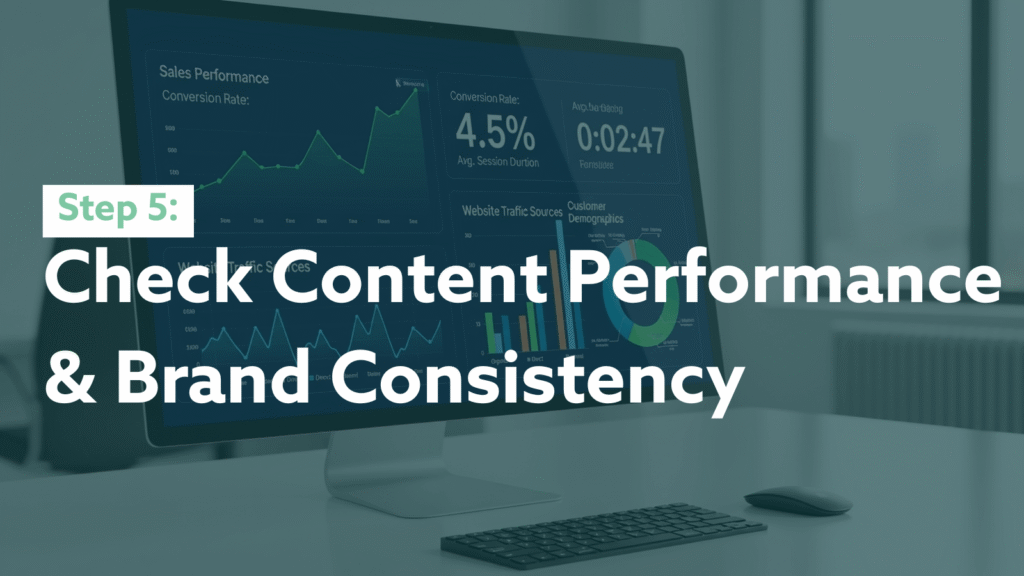
This stage of the audit is to do a deep dive into the content you have posted. You are going to want to analyze your previous posts to see whether your brand is consistently represented the way you want.
Consistency is the key to building trust with your audience. When analyzing your content, you are going to want to use these three tips:
- Visual & Voice Audit: Review your visuals and captions against your internal brand guide. All of your content should align with your brand guide. If posts don’t align with the brand guide, evaluate whether they are worth retooling to fit it.
- Format Effectiveness: Are your videos outperforming your images? If so, stop wasting resources on graphics that no one is swiping on.
6. Measure, Benchmark, and Set Goals
Now that you have a pretty good idea of how you will run your accounts moving forward, it is time to establish goals for them. When crafting goals, be honest with yourself and assess where your accounts stand compared to competitors and industry averages. During this step in the audit, you should:
- Define KPIs: Align KPIs with your overall business goals; don’t just track likes. If your goal is to grow your brand awareness, track followers, and engagement metrics. If your goal is to grow website traffic, track CTR from posts. You can pick whatever KPIs you want, as long as they align with your greater business goals.
- Set Actionable Goals: These goals need to be actionable and trackable; instead of saying “get more followers,” say “increase LinkedIn engagement rate to 4.5% by Q3.”
- Align Teams: Make sure that all the different teams involved in social media, marketing, content, and creative are all bought into the goals.
7. Present and Act on Audit Findings

Now that you have all your social media analytics, benchmarks, and actionable goals, it is time to present the audit findings to the appropriate stakeholders. This audit report should be a clear, actionable roadmap for the next quarter that outlines how you plan to achieve your social media goals.
The key to this presentation is to create a story from the findings, give them reasons to care about the action plan, and explain how it helps the company achieve broader business goals. If you present a plain PowerPoint with all your data, with no clear story or rationale behind it, they will not care. Make the presentation more engaging by creating a visually appealing slide deck in Canva Docs or Google Slides, and give the audience a reason to care about your audit.
Here are some key things to cover during the presentation:
- Create a Dashboard: Organize your analytics and insights into visual dashboards so stakeholders can see the data at a glance. This makes it easier for your audience to digest the “why” behind your plan.
- Identify “Quick Wins”: Maybe it’s updating all your bios or pinning a high-performing post. Start with the easy stuff to build momentum. Show your audience that you are actively working toward the bigger goals through small actions.
- Next Steps: Define a clear timeline for implementing the audit changes. Explain your actionable goals and why your plan will achieve these goals.